
Persistently striving to create innovation
Product Center
Product center

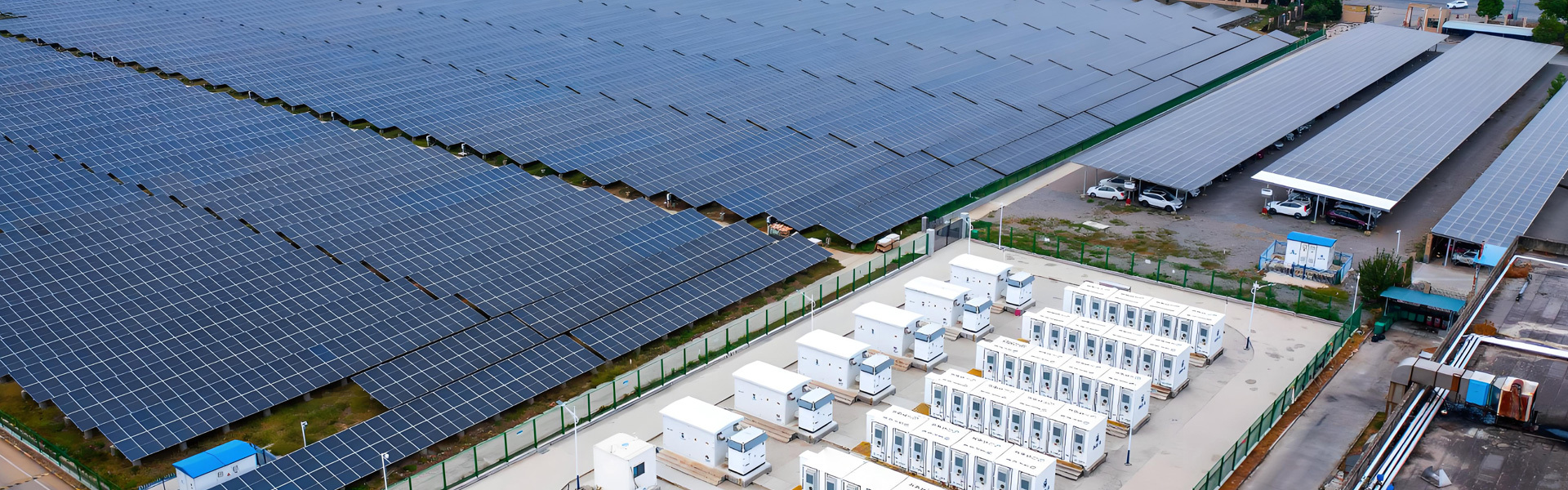
阳江Hunan Jiasheng Safe Food Industry Center
Hunan Jiasheng Safe Food Industry Center is located in Liuyang City, Changsha City, Hunan Province, approximately 110 meters northeast of Jiasheng International Industrial Park on Liudong Road, Liuyang City, Changsha City. This data comes from the Industrial Park Database of the Foresight Industry Research Institute. For 20 years, Foresight Industry Research Institute has been focusing on research, planning, and investment attraction of various industries, industrial parks, industrial real estate, characteristic towns, and industrial new cities nationwide, assisting in local industrial development and promoting the integration of industry and city.
I. Reduce Electricity Costs (Direct Economic Benefits)
1.1 Peak-Valley Arbitrage:
Hunan implements a time-of-use electricity pricing policy (peak, flat, and valley). Energy storage can charge at a low price during the valley period and discharge for self-use during the peak period, reducing high-priced electricity expenses.
1.2 Demand Charge Management:
Energy storage can smooth the peak factory power load, reduce the maximum demand power, and reduce demand charges.
II. Ensure Stable Power Supply (Reliability Improvement)
2.1 Emergency Backup Power:
During peak electricity consumption in Hunan summers or sudden power outages, energy storage can serve as a backup power source to ensure the uninterrupted operation of key production equipment and reduce losses from work stoppages.
2.2 Voltage/Frequency Support:
Energy storage can quickly respond to grid fluctuations, improve the power supply quality of the park, and prevent damage to precision equipment due to voltage drops.
III. Support Green Transformation (Policies and Brand Value)
3.1 Green Electricity Consumption:
If the park is equipped with photovoltaic power generation, energy storage can store excess green electricity and increase the proportion of self-generation and self-use (the peak of photovoltaic power generation in Hunan is at noon, which may mismatch with the peak of factory electricity consumption).
3.2 Carbon Emission Optimization:
Reduce the amount of electricity purchased from the grid (especially thermal power), help enterprises achieve "dual carbon" goals, and improve ESG ratings.
3.3 Policy Subsidies:
Hunan may provide subsidies for user-side energy storage projects (for example, Changsha once provided a subsidy of 0.3 yuan/kWh for integrated photovoltaic and storage projects), or priority participation in demand response (subsidies of approximately 200-500 yuan/MW·time).
Category:
Product Description
Hunan Jiasheng Safe Food Industry Center is located in Liuyang City, Changsha City, Hunan Province, approximately 110 meters northeast of Jiasheng International Industrial Park on Liudong Road in Liuyang City, Changsha City. This data comes from the Industrial Park Database of the Foresight Industry Research Institute. For 20 years, the Foresight Industry Research Institute has continuously focused on research, planning, and investment attraction of national sub-industries, industrial parks, industrial real estate, characteristic towns, industrial new cities, and industrial parks, assisting in local industrial development and promoting the integration of industry and city.
I. Reduce Electricity Costs (Direct Economic Benefits)
1.1 Peak-Valley Arbitrage:
Hunan implements a time-of-use electricity pricing policy (peak, flat, and valley). Energy storage can charge at a low price during the valley period and discharge for self-use during the peak period, reducing high-priced electricity expenses.
1.2 Demand Charge Management:
Energy storage can smooth the peak factory power load, reduce the maximum demand power, and reduce demand charges.
II. Ensure Stable Power Supply (Reliability Improvement)
2.1 Emergency Backup Power:
During peak electricity consumption in Hunan summers or sudden power outages, energy storage can serve as a backup power source to ensure the uninterrupted operation of key production equipment and reduce losses from work stoppages.
2.2 Voltage/Frequency Support:
Energy storage can quickly respond to grid fluctuations, improve the power supply quality of the park, and prevent damage to precision equipment due to voltage drops.
III. Support Green Transformation (Policies and Brand Value)
3.1 Green Electricity Consumption:
If the park is equipped with photovoltaic power generation, energy storage can store excess green electricity and increase the proportion of self-generation and self-use (the peak of photovoltaic power generation in Hunan is at noon, which may mismatch with the peak of factory electricity consumption).
3.2 Carbon Emission Optimization:
Reduce the amount of electricity purchased from the grid (especially thermal power), help enterprises achieve "dual carbon" goals, and improve ESG ratings.
3.3 Policy Subsidies:
Hunan may provide subsidies for user-side energy storage projects (for example, Changsha once provided a subsidy of 0.3 yuan/kWh for integrated photovoltaic and storage projects), or priority participation in demand response (subsidies of approximately 200-500 yuan/MW·time).

We are committed to providing our customers with high-quality products and timely, thoughtful service
Contact Information
Sales Hotline:86-17373268008 (Ms. Liu)
86-8074423333(Mr. Zhao)
After-sales Hotline:86-18974461678
Email:energy@xilkdl.com
Company Address: No. 5, Baosixilu Road, Xiangtan Economic Development Zone, Xiangtan Comprehensive Bonded Zone, Standard Warehouse No. 3
Copyright © Hunan Xilaike EnergyStorage Technology Co., Ltd
This site supports IPv4 IPv6 .
Powered by www.300.cn ChangSha