
Persistently striving to create innovation
Product Center
Product center

上虞Xiangtan Comprehensive Bonded Zone
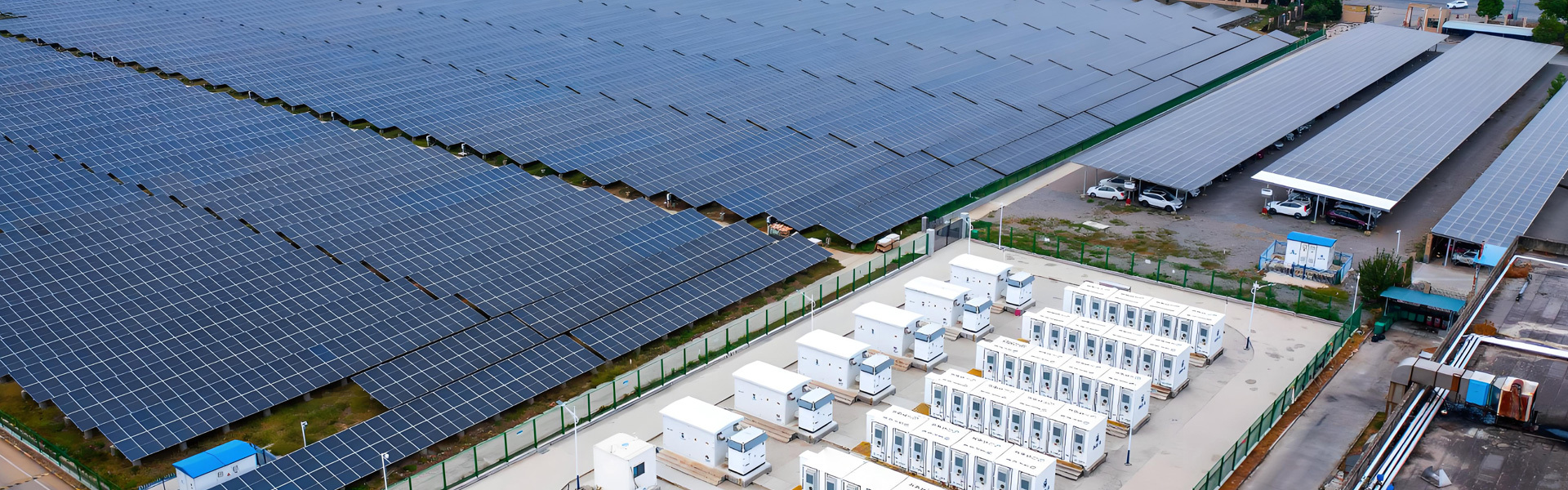
Xiangtan Comprehensive Bonded Zone was approved by the State Council on September 7, 2013. It is the 32nd comprehensive bonded zone to be approved and the largest in Hunan Province. Located in the national-level Xiangtan Economic and Technological Development Zone, its boundaries are: south to the Shanghai-Kunming High-speed Railway, north to Shatang Road, west to Xiangshui Avenue, and east to the Changtan West Line Expressway. The planned total area is 3.12 square kilometers, with the first phase covering approximately 1.62 square kilometers (2430 mu) and the second phase approximately 1.5 square kilometers (2250 mu). The total investment in the bonded zone is estimated at 3.679 billion yuan. It comprises four functional zones: a bonded processing zone, a bonded logistics zone, a customs clearance zone, and a comprehensive service zone. It has two checkpoints (main and secondary) and features various functions of an international port, including bonded warehousing, customs, commodity inspection, and quarantine.
I. Reduce enterprise electricity costs and improve energy efficiency
1.1 Photovoltaic power generation for self-use: Electricity generated by the carport photovoltaic system can be used by enterprises within the bonded zone, reducing the purchase of high-priced electricity from the grid (Hunan's industrial and commercial electricity prices have a large peak-valley difference; photovoltaic power generation can replace high-priced electricity during peak hours in the daytime).
1.2 Energy storage peak-valley arbitrage: Combined with Hunan's time-of-use electricity pricing policy (peak: 1 yuan+/kWh, valley: 0.3 yuan/kWh), the energy storage system charges during off-peak hours and discharges during peak hours, further reducing electricity costs.
1.3 Demand charge management: Energy storage can smooth out the peak load of the park's electricity consumption, reducing the maximum demand charge (the demand charge for large industrial users can account for more than 30%).
II. Improve power stability and ensure the operation of critical businesses
2.1 Emergency backup power: Enterprises in the bonded zone (such as precision manufacturing and cold chain logistics) have high requirements for power stability. The photovoltaic and energy storage system can provide backup power in the event of a grid failure, preventing production interruptions.
2.2 Power quality optimization: Energy storage can quickly respond to voltage fluctuations, ensuring the stable operation of sensitive equipment (such as automated production lines and data centers).
III. Promote green and low-carbon development and comply with policy guidance
3.1 Reduce carbon emissions: Photovoltaic + energy storage replaces traditional thermal power, helping the bonded zone achieve its "dual carbon" goals and improve its ESG rating.
3.2 Policy subsidies: Xiangtan City encourages the application of new energy and can apply for local government funding support for photovoltaic and energy storage demonstration projects.
IV. Optimize park infrastructure and enhance investment attraction
4.1 Charging pile supporting facilities: Meet the charging needs of new energy vehicles (logistics vehicles, employee private cars) in the park, and improve the park's supporting service capabilities.
4.2 Intensive land use: Photovoltaic carports make full use of parking lot space, achieving "two uses of one land" and improving land use efficiency.
Category:
Product Description
Xiangtan Comprehensive Bonded Zone was approved by the State Council on September 7, 2013. It is the 32nd comprehensive bonded zone to be approved and the largest in Hunan Province. Located in the national-level Xiangtan Economic and Technological Development Zone, its boundaries are: south to the Shanghai-Kunming High-speed Railway, north to Shatang Road, west to Xiangshui Avenue, and east to the Changtan West Line Expressway. The planned total area is 3.12 square kilometers, with the first phase covering approximately 1.62 square kilometers (2430 mu) and the second phase approximately 1.5 square kilometers (2250 mu). The total investment in the bonded zone is estimated at 3.679 billion yuan. It comprises four functional zones: bonded processing, bonded logistics, customs operations, and comprehensive services. It has two checkpoints (main and secondary) and features various functions of an international port, including bonded warehousing, customs, commodity inspection, and quarantine.
I. Reduce enterprise electricity costs and improve energy efficiency
1.1 Photovoltaic power generation for self-use: Electricity generated by the carport photovoltaic system can be used by enterprises within the bonded zone, reducing the purchase of high-priced electricity from the grid (Hunan's industrial and commercial electricity prices have a large peak-valley difference; photovoltaic power generation can replace high-priced electricity during peak hours in the daytime).
1.2 Energy storage peak-valley arbitrage: Combined with Hunan's time-of-use electricity pricing policy (peak: 1 yuan+/kWh, valley: 0.3 yuan/kWh), the energy storage system charges during off-peak hours and discharges during peak hours, further reducing electricity costs.
1.3 Demand charge management: Energy storage can smooth out the peak load of the park's electricity consumption, reducing the maximum demand charge (the demand charge for large industrial users can account for more than 30%).
II. Improve power stability and ensure the operation of key businesses
2.1 Emergency backup power: Enterprises in the bonded zone (such as precision manufacturing and cold chain logistics) have high requirements for power stability. The photovoltaic and storage system can provide backup power in the event of a grid failure, avoiding production interruptions.
2.2 Power quality optimization: Energy storage can quickly respond to voltage fluctuations, ensuring the stable operation of sensitive equipment (such as automated production lines and data centers).
III. Promote green and low-carbon development and comply with policy guidance
3.1 Reduce carbon emissions: Photovoltaic + energy storage replaces traditional thermal power, helping the bonded zone achieve its "dual carbon" goals and improve its ESG rating.
3.2 Policy subsidies: Xiangtan City encourages the application of new energy and can apply for local government funding support for photovoltaic and storage demonstration projects.
IV. Optimize park infrastructure and enhance investment attraction
4.1 Charging pile supporting facilities: Meet the charging needs of new energy vehicles (logistics vehicles, employee private cars) in the park, and improve the park's supporting service capabilities.
4.2 Intensive land use: Photovoltaic carports make full use of parking lot space, achieving "two uses of one land" and improving land use efficiency.

We are committed to providing our customers with high-quality products and timely, thoughtful service
Contact Information
Sales Hotline:86-17373268008 (Ms. Liu)
86-8074423333(Mr. Zhao)
After-sales Hotline:86-18974461678
Email:energy@xilkdl.com
Company Address: No. 5, Baosixilu Road, Xiangtan Economic Development Zone, Xiangtan Comprehensive Bonded Zone, Standard Warehouse No. 3
Copyright © Hunan Xilaike EnergyStorage Technology Co., Ltd
This site supports IPv4 IPv6 .
Powered by www.300.cn ChangSha