
Persistently striving to create innovation
Product Center
Product center

韶关Changsha City Bureau of Industry and Information Technology
The Zhangjiajie Municipal Bureau of Industry and Information Technology is a newly established unit in Zhangjiajie's institutional reform.
I. Reduce enterprise electricity costs and enhance industrial competitiveness
1.1 Peak-valley arbitrage: Zhangjiajie implements Hunan's time-of-use electricity pricing (peak 1 yuan/kWh, valley 0.3 yuan/kWh). Energy storage can charge during low-price periods and discharge during high-price periods, reducing enterprise electricity expenses.
1.2 Demand charge optimization: Microgrids can smooth industrial loads, reducing peak demand charges (demand charges can account for up to 30% of electricity costs for large industrial users).
1.3 Self-use of photovoltaic green electricity: If equipped with rooftop/open space photovoltaics, it can further reduce the purchase of electricity and lower the cost per kilowatt-hour.
II. Ensure power supply and enhance industrial stability
2.1 Power supply guarantee during peak tourist season: During peak tourist seasons in Zhangjiajie (such as summer and national holidays), electricity demand surges. Microgrids can alleviate pressure on the power grid and avoid power outages affecting production.
2.2 Emergency backup power capability: For enterprises such as precision manufacturing and food processing, microgrids can provide backup power, reducing losses from power outages.
III. Promote the green transformation of industry and meet the "dual carbon" goals
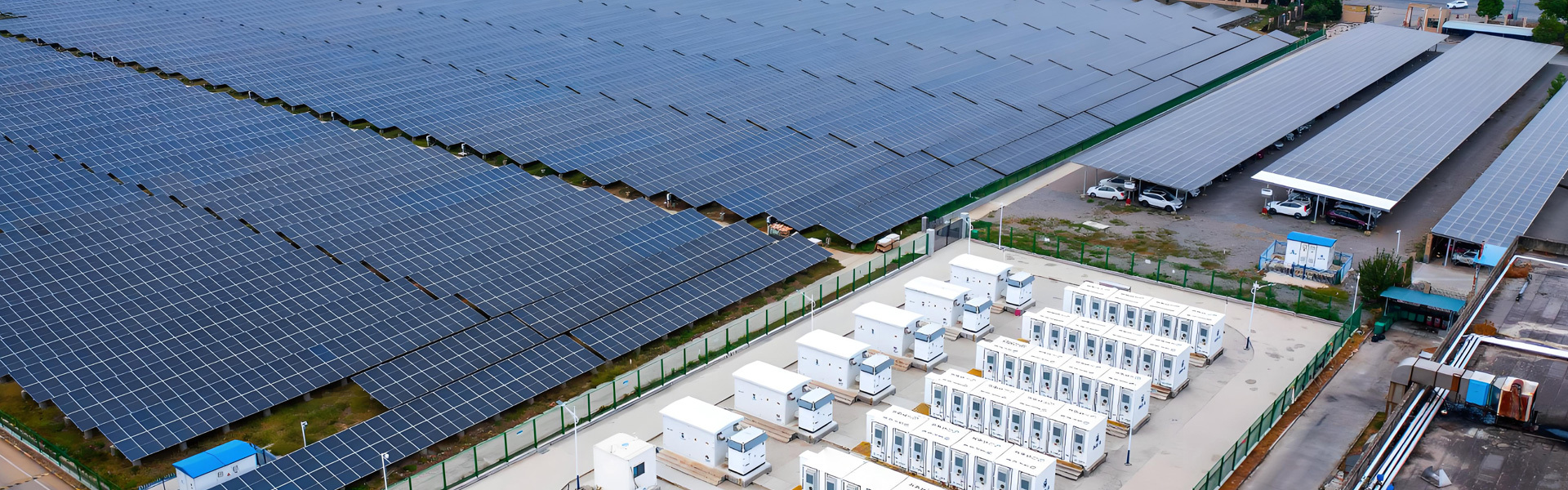
3.1 Reduce carbon emissions: Photovoltaic + energy storage replaces thermal power, reducing the carbon footprint in the industrial sector and contributing to Zhangjiajie's positioning as an ecological tourism city.
3.2 The Bureau of Industry and Information Technology can strive for national/provincial demonstration projects for "green factories" and "zero-carbon parks".
Category:
Product Description
The Zhangjiajie Municipal Bureau of Industry and Information Technology is a newly established unit in Zhangjiajie's institutional reform.
I. Reduce enterprise electricity costs and enhance industrial competitiveness
1.1 Peak-valley arbitrage: Zhangjiajie implements Hunan's time-of-use electricity pricing (peak 1 yuan/kWh, valley 0.3 yuan/kWh). Energy storage can charge during low-price periods and discharge during high-price periods, reducing enterprise electricity expenses.
1.2 Demand charge optimization: Microgrids can smooth industrial loads, reducing peak demand charges (demand charges can account for up to 30% of electricity costs for large industrial users).
1.3 Self-use of photovoltaic green electricity: If equipped with rooftop/open space photovoltaics, it can further reduce the purchase of electricity and lower the cost per kilowatt-hour.
II. Ensure power supply and enhance industrial stability
2.1 Power supply guarantee during peak tourist season: During peak tourist seasons in Zhangjiajie (such as summer and national holidays), electricity demand surges. Microgrids can alleviate pressure on the power grid and avoid power outages affecting production.
2.2 Emergency backup power capability: For enterprises such as precision manufacturing and food processing, microgrids can provide backup power, reducing losses from power outages.
III. Promote the green transformation of industry and meet the "dual carbon" goals
3.1 Reduce carbon emissions: Photovoltaic + energy storage replaces thermal power, reducing the carbon footprint in the industrial sector and contributing to Zhangjiajie's positioning as an ecological tourism city.
3.2 The Bureau of Industry and Information Technology can strive for national/provincial-level demonstration projects such as "Green Factory" and "Zero Carbon Park".

We are committed to providing our customers with high-quality products and timely, thoughtful service
Contact Information
Sales Hotline:86-17373268008 (Ms. Liu)
86-8074423333(Mr. Zhao)
After-sales Hotline:86-18974461678
Email:energy@xilkdl.com
Company Address: No. 5, Baosixilu Road, Xiangtan Economic Development Zone, Xiangtan Comprehensive Bonded Zone, Standard Warehouse No. 3
Copyright © Hunan Xilaike EnergyStorage Technology Co., Ltd
This site supports IPv4 IPv6 .
Powered by www.300.cn ChangSha