
Persistently striving to create innovation
Product Center
Product center

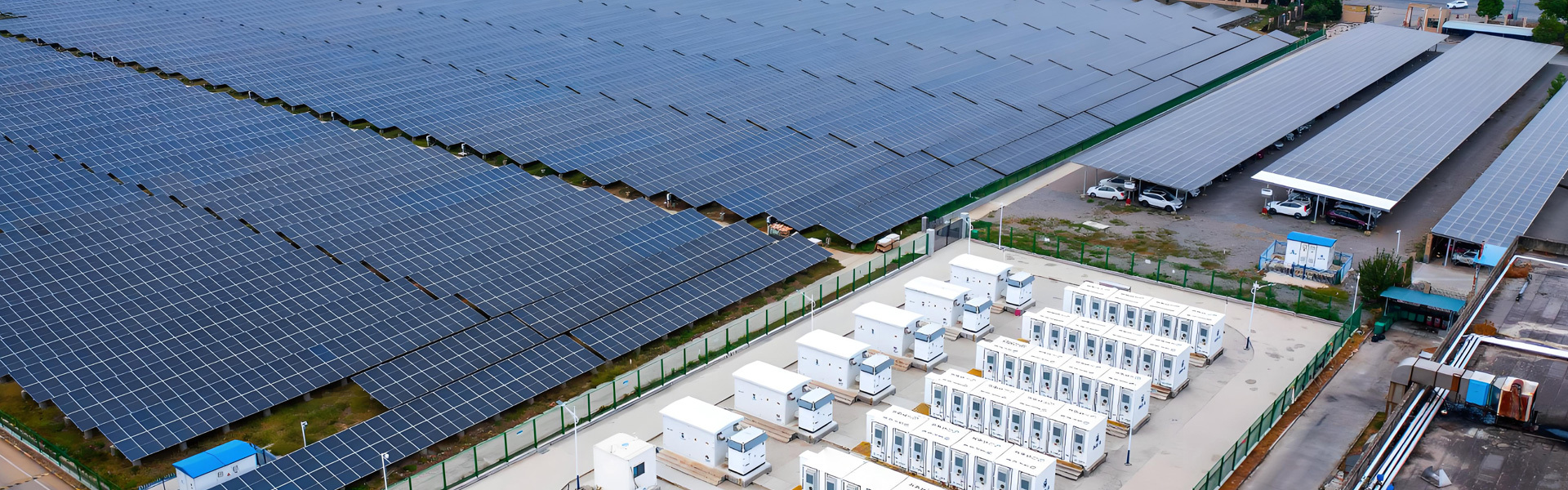
<p> The Zhangjiajie Municipal Bureau of Industry and Information Technology is a newly established unit in Zhangjiajie's institutional reform. </p> <p> </p> <p><strong> I. Reduce enterprise electricity costs and enhance industrial competitiveness </strong></p> <p> 1.1 Peak-valley arbitrage: Zhangjiajie implements Hunan's time-of-use electricity pricing (peak 1 yuan/kWh, valley 0.3 yuan/kWh). Energy storage can charge during low-price periods and discharge during high-price periods, reducing enterprise electricity expenses. </p> <p> 1.2 Demand charge optimization: Microgrids can smooth industrial loads, reducing peak demand charges (demand charges can account for up to 30% of electricity costs for large industrial users). </p> <p> 1.3 Self-use of photovoltaic green electricity: If equipped with rooftop/open space photovoltaics, it can further reduce the purchase of electricity and lower the cost per kilowatt-hour. </p> <p> </p> <p><strong> II. Ensure power supply and enhance industrial stability </strong></p> <p> 2.1 Power supply guarantee during peak tourist season: During peak tourist seasons in Zhangjiajie (such as summer and national holidays), electricity demand surges. Microgrids can alleviate pressure on the power grid and avoid power outages affecting production. </p> <p> 2.2 Emergency backup power capability: For enterprises such as precision manufacturing and food processing, microgrids can provide backup power, reducing losses from power outages. </p> <p> </p> <p><strong> III. Promote the green transformation of industry and meet the "dual carbon" goals </strong></p> <p> 3.1 Reduce carbon emissions: Photovoltaic + energy storage replaces thermal power, reducing the carbon footprint in the industrial sector and contributing to Zhangjiajie's positioning as an ecological tourism city. </p> <p> 3.2 The Bureau of Industry and Information Technology can strive for national/provincial demonstration projects for "green factories" and "zero-carbon parks". </p>

We are committed to providing our customers with high-quality products and timely, thoughtful service
Contact Information
Sales Hotline:86-17373268008 (Ms. Liu)
86-8074423333(Mr. Zhao)
After-sales Hotline:86-18974461678
Email:energy@xilkdl.com
Company Address: No. 5, Baosixilu Road, Xiangtan Economic Development Zone, Xiangtan Comprehensive Bonded Zone, Standard Warehouse No. 3
Copyright © Hunan Xilaike EnergyStorage Technology Co., Ltd
This site supports IPv4 IPv6 .
Powered by www.300.cn ChangSha